
How to Stop Your Cat from Scratching the Furniture
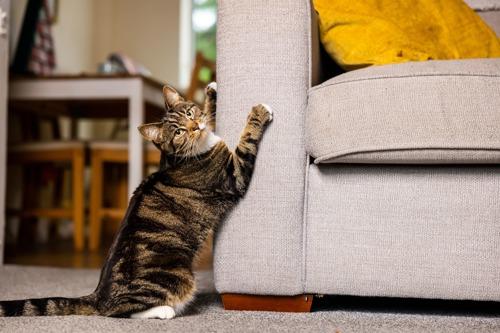
One of the most common complaints about cats is their tendency to scratch furniture, sometimes leaving behind shredded upholstery and frustrated owners.
Why do cats insist on scratching our favorite sofas and chairs?
The first thing to understand is that scratching is a normal and essential behavior for cats. It’s not simply something they enjoy doing—it’s something they need to do.
The good news? You don’t have to choose between a happy cat and beautiful furniture. By understanding why cats scratch and providing appropriate alternatives, you can help redirect this natural behavior.
Why Do Cats Scratch Furniture?
Cats scratch for several important reasons.
1. Maintaining healthy claws
As a cat’s claws grow, the outer nail sheaths naturally shed to make room for new growth. Scratching helps remove these old sheaths and keeps claws in good condition.
2. Marking their territory
Cats are territorial animals, and scratching is one way they communicate ownership of an area.
The visible scratch marks tell other cats that the space is occupied. But there’s another form of communication happening, too.
Cats have scent glands in their paw pads. When they scratch a surface, they leave behind scent markers that communicate information to other cats.
3. Stretching their bodies
Scratching also allows cats to stretch their bodies and extend their muscles, which is why many cats prefer tall scratching posts.
Choose the Right Scratching Post
Because scratching is a natural behavior, the goal isn’t to stop your cat from scratching altogether.
Instead, the goal is to encourage scratching on appropriate surfaces rather than your furniture.
Not all scratching posts are equally appealing to cats. The material, height, and stability of the post can make a big difference.
Look for Materials Cats Prefer
Many scratching posts sold in stores are covered in loop carpeting. However, some cats dislike this material because their claws can become caught in the carpet loops.
Better options include:
- Sisal rope: A durable, textured material that many cats enjoy scratching.
- Natural wood: Some cats prefer the texture of wood and may enjoy a sturdy wooden scratching post.
- Low-pile carpeting: If choosing a carpet-covered post, select a low-pile material rather than loop carpeting.
- Corrugated cardboard: An inexpensive and popular choice, especially for horizontal scratching surfaces.
You can even create a natural scratching post using a sturdy tree branch or log.
Height and Stability Matter
Cats often stretch their entire bodies while scratching, so a vertical post should be tall enough to allow a full stretch.
Equally important is stability.
If a scratching post wobbles or falls over when your cat uses it, your cat may quickly lose interest.
Some cats prefer vertical scratching surfaces, while others enjoy horizontal scratching boards.
Providing several different types gives your cat the opportunity to choose what feels most comfortable.
Location, Location, Location!
Where you place a scratching post can be just as important as the type you purchase.
Cats scratch partly to mark their territory, so they often prefer scratching surfaces in prominent areas of the home.
A scratching post hidden in a back bedroom may not be nearly as appealing as one placed in the living room.
If your cat frequently scratches the sofa, try placing a scratching post directly beside it.
While a scratching post might not be your favorite piece of living room décor, it’s certainly preferable to replacing an expensive sofa!
How to Discourage Furniture Scratching
Once you’ve provided attractive scratching alternatives in convenient locations, you can begin making your furniture less appealing.
Consider these simple strategies:
- Double-sided furniture tape: Apply pet-safe tape to areas your cat frequently scratches. Many cats dislike the sticky texture.
- Temporary furniture protection: Protective coverings can help discourage scratching while your cat learns to use an appropriate post.
- Offer several scratching choices: Place vertical and horizontal scratchers near your cat’s favorite scratching spots.
Whenever your cat uses an appropriate scratching surface, offer praise, playtime, or a favorite treat to reinforce the behavior.
Avoid punishment, which can increase stress without teaching your cat where to scratch.
Living Happily with Your Cat
Sharing your home with a cat means understanding and respecting their natural behaviors.
Rather than trying to eliminate scratching, focus on providing an environment where your cat can express normal feline behaviors without damaging your belongings.
With the right scratching surfaces, thoughtful placement, and a little patience, you can protect your furniture while keeping your cat happy.
A little understanding of your cat’s natural instincts can go a long way toward creating a peaceful home for everyone!
About the Author
Kelley Bollen, MS, CABC, is a Certified Animal Behavior Consultant and Principal Consultant at Kelley Bollen Consulting, LLC.